Search
Start typing to search for destinations or experiences

Tour Overview
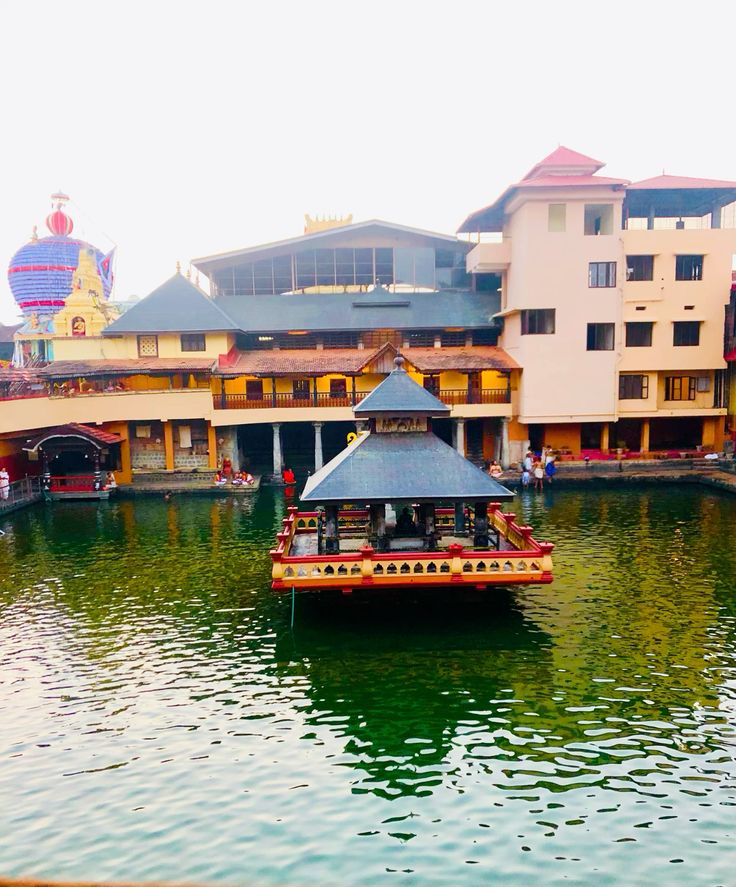
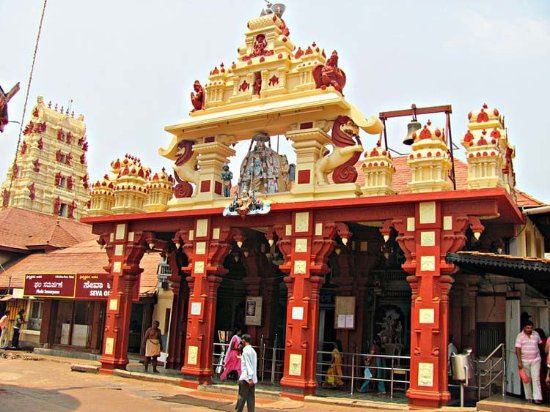
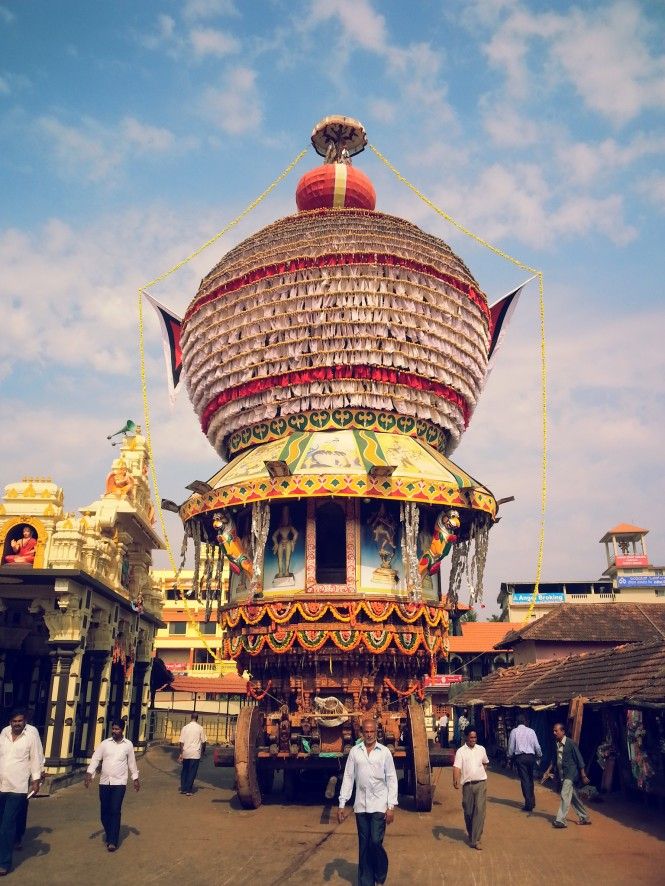
Experience the spiritual legacy of Udupi on the Madhva Kshetra Trail, a guided 1-night, 2-day journey through temples that embody India’s living philosophy and devotion. This immersive trail follows the path of Sri Madhvacharya, the philosopher-saint who shaped Udupi’s spiritual identity, revealing how faith, history, and culture intertwine along the sacred coast of Karnataka.
Tour Highlights
Begin your sacred journey at Udupi Sri Krishna Matha, the spiritual heart of the Dvaita Vedanta philosophy founded by Sri Madhvacharya in the 13th century. Experience the divine Kanakana Kindi darshan and witness the unique Paryaya system, a centuries-old tradition maintained by the Ashta Mathas — eight monastic institutions established by the Acharya to preserve his teachings.
Visit the Anantheshwara Temple, where Sri Madhvacharya is believed to have received divine inspiration before founding the Krishna Matha. This ancient shrine continues to play a vital role in Udupi’s Madhva tradition.
Travel next to Pajaka Kshetra, the serene birthplace of Sri Madhvacharya. Explore his ancestral home, the sacred footprints carved in stone, and the Vishnu Tirtha pond where he performed early rituals. This tranquil village offers an intimate glimpse into the saint’s life, philosophy, and spiritual awakening.
Extend your pilgrimage through nearby Madhva Mathas and temples, each echoing his profound legacy and devotion:
Kantavara Matha & Kanteshwara Temple – Upholding Madhva rituals amidst a peaceful, rural setting.
Eeraki Matha – A traditional center of Dvaita learning and daily Vedic recitations.
Naddentadi Matha – Renowned for its scholarly pursuits and preservation of Madhva scriptures.
Puttur Kodippady Janardhana Temple – A revered Madhva shrine reflecting deep-rooted spiritual lineage.
Narsya Narasimha Temple – Dedicated to Lord Narasimha, the fierce protector deity beloved in the Madhva sampradaya.
Note: The temples and mathas mentioned are part of the broader Madhva heritage across Udupi and Mangalore regions. Actual visits may vary depending on time, travel conditions, and temple schedules. The itinerary will be curated to ensure a fulfilling spiritual experience within the available duration.
Available options
What's included
Itinerary
- Udupi Sri Krishna Matha – Udupi Sri Krishna Matha is a famous temple in Karnataka established by Sri Madhvacharya, devoted to Lord Krishna. A revered pilgrimage site, it showcases divine heritage, Dvaita philosophy, and centuries-old spiritual tradition.
- Ashta Mathas of Udupi – The Ashta Mathas of Udupi are eight monasteries established by Sri Madhvacharya to worship and manage the Udupi Sri Krishna Matha. Each Matha follows the Paryaya system, taking turns every two years to serve Lord Krishna and lead temple rituals
- Anantheshwara Temple – Anantheshwara Temple in Udupi is an ancient Hindu temple dedicated to Lord Shiva, known for its historic significance and Dravidian architecture. It is revered as a spiritual center and a landmark reflecting the rich religious heritage of Karnataka.
- Pajaka Kshetra – Pajaka Kshetra in Udupi is the birthplace of Sri Madhvacharya, the proponent of the Dvaita philosophy. It is a revered pilgrimage site featuring his ancestral home, temples, and spots associated with his early life and teachings.
- Kantavara, Eeraki, Naddentadi Mathas – Mathas sustaining the Madhva tradition.
- Puttur Kodippady Janardhana & Narsya Narasimha Temples – Key Madhva pilgrimage sites in Dakshina Kannada.
Tour Venue
Important Information
Accommodation:
Paradise Lagoon / Paradise Isle or similar category resort (standard room; upgrade available at extra cost, subject to availability).
Enjoy access to a swimming pool, indoor games, on-site restaurants, and convenient on-site parking. Fishing, boating, and spa experiences are available at additional charges and subject to availability.
Temple Visit Guidelines
Visiting South Indian temples is a deeply spiritual and cultural experience. To ensure respect for local traditions and to make the most of your visit, please keep these guidelines in mind:
🌸 General Etiquette
Dress modestly — traditional attire is preferred (men: dhoti/pants with shirt; women: saree or salwar kameez). Avoid shorts, sleeveless tops, or tight clothing.
Carry small change for offerings, donations, and prasadam.
Remove footwear and leather items (belts, wallets, bags) before entering temple premises.
Maintain silence and respect devotees engaged in prayer or rituals.
Avoid public displays of affection or loud conversations inside temple grounds.
📸 Photography & Behavior
Ask before taking photos — many temples prohibit photography inside sanctum areas.
Avoid pointing feet toward deities or sacred objects.
Do not touch idols, lamps, or priests unless permitted.
Follow queues and instructions from temple staff for darshan (viewing the deity).
Do not step over offerings or temple thresholds — step carefully and respectfully.
🙏 Rituals & Customs
Women are traditionally not permitted to enter temples during menstruation, in keeping with local customs.
Wash hands and feet before entering the main temple.
Offerings (flowers, coconuts, fruits) can be bought from nearby stalls — avoid bringing non-vegetarian food or alcohol.
Refrain from wearing hats or sunglasses inside the temple.
Do not consume food or chew gum inside temple premises unless it is prasadam (offering).
🌿 Helpful Tips for Visitors
Visit early morning or evening to avoid crowds and heat.
Respect temple animals — cows, elephants, or monkeys — but keep a safe distance.
Some temples have different entry gates or queues for men and women — follow signage.
Foreign visitors may have restricted access to inner sanctums in certain temples.
Participate with an open heart — observing rituals and chants adds depth to your experience.
Customer Reviews
Leave a Review
Share your experience with other travelers