Search
Start typing to search for destinations or experiences
Tour Overview
Journey through the timeless Jain heritage of Coastal Karnataka, where stone and silence speak of peace, compassion, and enlightenment.
The Bahubali Trail unveils the architectural brilliance and spiritual grandeur of Karkala, Moodbidri, Varanga, and Venur — sacred centers that preserve over a thousand years of Jain culture, art, and philosophy.
Tour Highlights
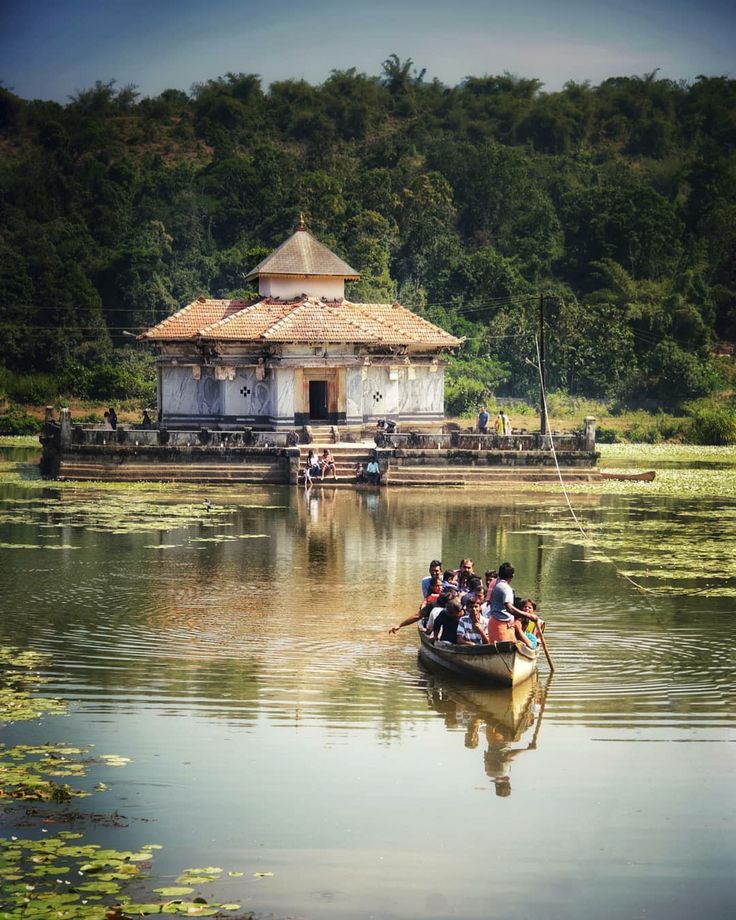
Begin your pilgrimage at Varanga, a serene village surrounded by lotus-filled lakes. Visit the picturesque Kere Basadi, a temple set in the middle of a tranquil pond, accessible only by boat, and the exquisite Chaturmukha Basadi, dedicated to the 24 Tirthankaras.
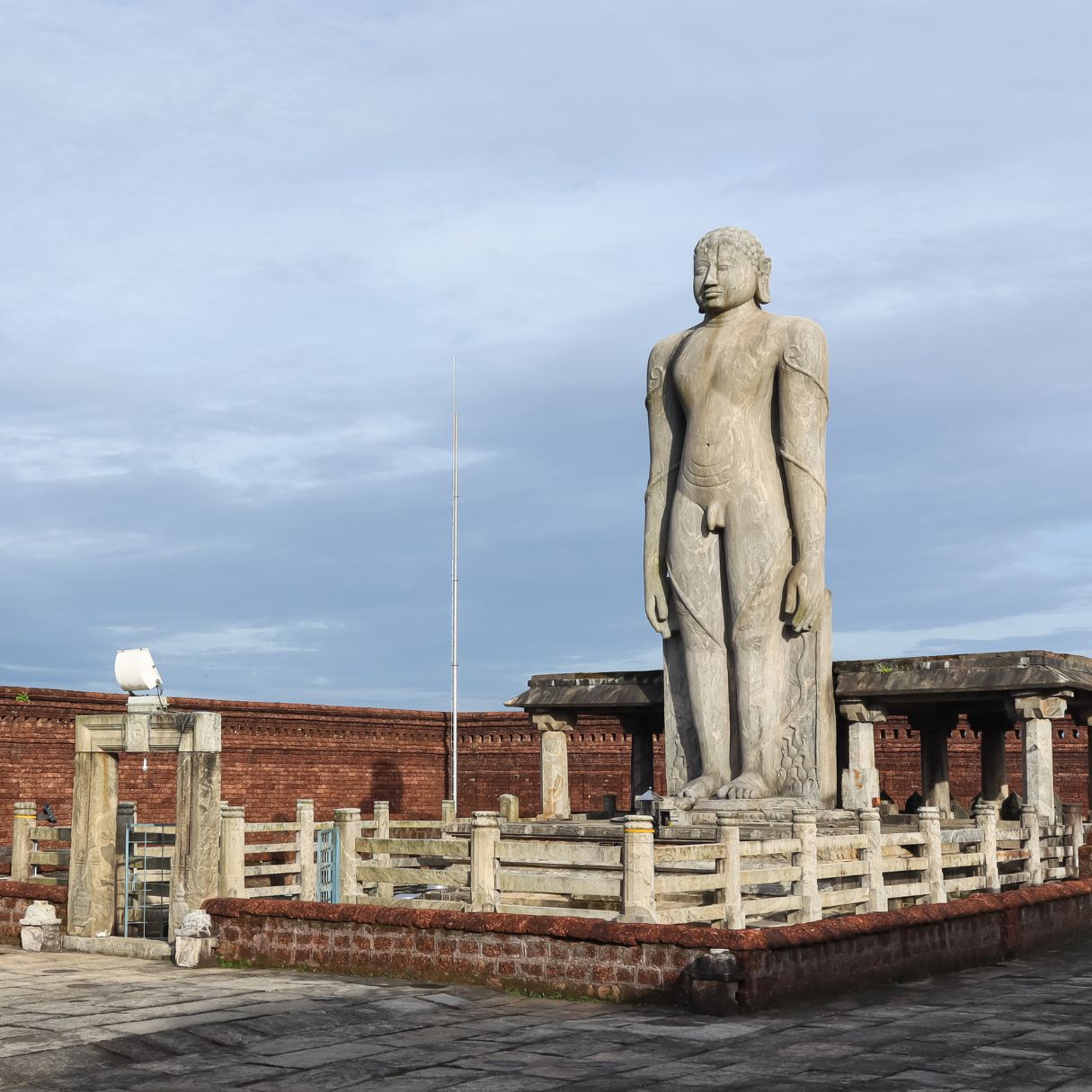
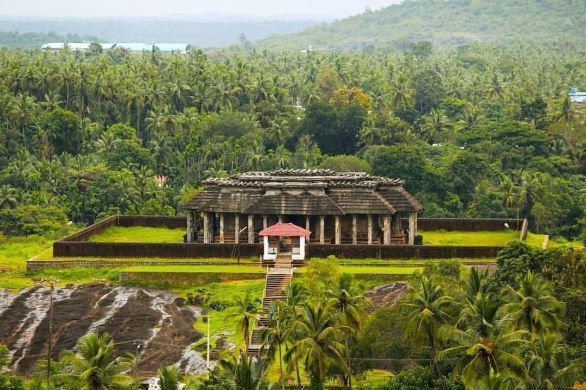
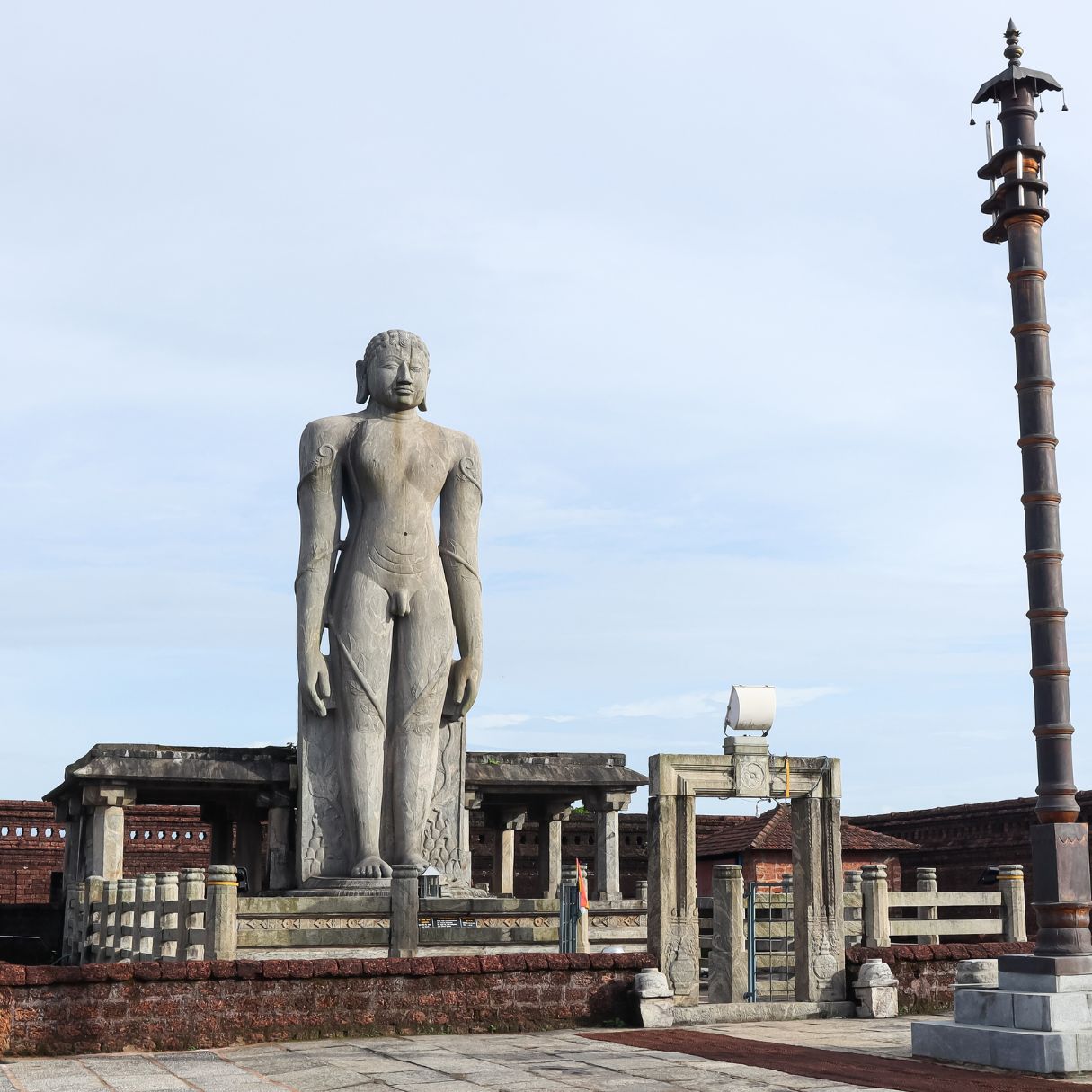
Continue to Karkala, where the awe-inspiring Gommateshwara Statue stands tall at 42 feet — a symbol of renunciation and self-realization. Nearby, explore the Karkala Chaturmukha Basadi, an architectural marvel of symmetry and devotion carved entirely from granite.
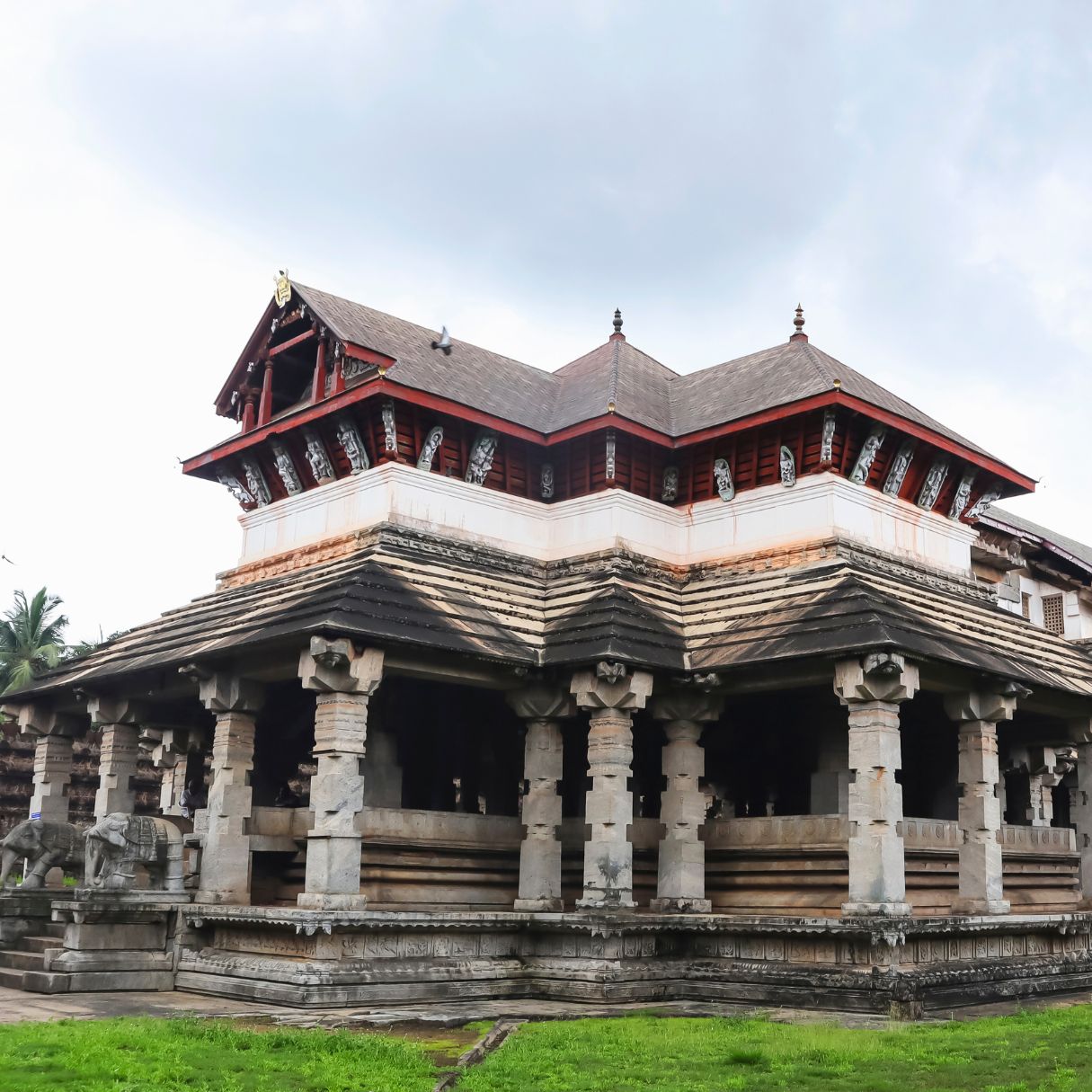
Travel onward to Venur, home to another monolithic statue of Lord Bahubali, gracefully rising against lush paddy fields and riverbanks. Conclude your journey in Moodbidri, often called the Jain Kashi of the South. Here, the magnificent Saavira Kambada Basadi (Thousand Pillar Temple) and the cluster of 18 Basadis stand as eternal testaments to the artistry and faith of Jain craftsmanship.
🥗 Note: Authentic Jain food options are available throughout the tour upon prior request.
The Experience:
Varanga Kere Basadi – Lake temple accessible only by boat
Varanga Chaturmukha Basadi – Four-faced shrine dedicated to the Tirthankaras
Karkala Gommateshwara Statue – 42-foot monolithic statue of Bahubali
Karkala Chaturmukha Basadi – Four-sided granite temple of exquisite balance
Venur Gommateshwara Monolith – Graceful Bahubali statue by the Gurupura River
Moodbidri Saavira Kambada Basadi – The iconic Thousand Pillar Temple, jewel of Jain architecture
Moodbidri Jain Basadis (18 temples) – A living heritage of Jain faith and tradition
Note: The sites and experiences mentioned form part of the region’s rich cultural and spiritual heritage. Actual visits may vary depending on time, travel conditions, local regulations, and temple schedules. Each itinerary is thoughtfully planned to provide guests with an authentic and meaningful experience within the available duration.
Available options
What's included
Tour Venue
Important Information
Accommodation:
Paradise Lagoon / Paradise Isle or similar category resort (standard room; upgrade available at extra cost, subject to availability).
Enjoy access to a swimming pool, indoor games, on-site restaurants, and convenient on-site parking. Fishing, boating, and spa experiences are available at additional charges and subject to availability.
Temple Visit Guidelines
Visiting South Indian temples is a deeply spiritual and cultural experience. To ensure respect for local traditions and to make the most of your visit, please keep these guidelines in mind:
🌸 General Etiquette
Dress modestly — traditional attire is preferred (men: dhoti/pants with shirt; women: saree or salwar kameez). Avoid shorts, sleeveless tops, or tight clothing.
Carry small change for offerings, donations, and prasadam.
Remove footwear and leather items (belts, wallets, bags) before entering temple premises.
Maintain silence and respect devotees engaged in prayer or rituals.
Avoid public displays of affection or loud conversations inside temple grounds.
📸 Photography & Behavior
Ask before taking photos — many temples prohibit photography inside sanctum areas.
Avoid pointing feet toward deities or sacred objects.
Do not touch idols, lamps, or priests unless permitted.
Follow queues and instructions from temple staff for darshan (viewing the deity).
Do not step over offerings or temple thresholds — step carefully and respectfully.
🙏 Rituals & Customs
Women are traditionally not permitted to enter temples during menstruation, in keeping with local customs.
Wash your hands and feet before entering the main temple.
Offerings (flowers, coconuts, fruits) can be bought from nearby stalls — avoid bringing non-vegetarian food or alcohol.
Refrain from wearing hats or sunglasses inside the temple.
Do not consume food or chew gum inside temple premises unless it is prasadam (offering).
🌿 Helpful Tips for Visitors
Visit early morning or evening to avoid crowds and heat.
Respect temple animals — cows, elephants, or monkeys — but keep a safe distance.
Some temples have different entry gates or queues for men and women — follow signage.
Foreign visitors may have restricted access to inner sanctums in certain temples.
Participate with an open heart — observing rituals and chants adds depth to your experience.
Customer Reviews
Leave a Review
Share your experience with other travelers